When designing any commercial space, the waiting area often receives less attention than it deserves. Yet this overlooked zone can significantly impact visitor satisfaction, brand perception, and operational efficiency. The right waiting room chairs don’t just provide somewhere to sit—they communicate professionalism, ensure compliance, and create positive first impressions that last.
Why the Right Chair Matters in Every Waiting Room
Visitor comfort directly influences satisfaction and dwell time
Research consistently shows that comfortable seating reduces perceived wait times and increases patient satisfaction scores. When visitors feel physically comfortable, they’re more likely to arrive early for appointments, remain calm during delays, and return for future services.
Compliance with Australian Standards ensures safety and liability protection
All commercial seating must meet AS/NZS 4688 load-testing requirements, which specify structural integrity standards for fixed seating in public spaces. Non-compliant chairs pose serious risks—both to user safety and your organisation’s legal standing.
Brand alignment through colour, fabric, and form creates cohesive environments
Your waiting room chairs should reinforce your corporate identity, whether that’s conveying clinical precision in healthcare settings or approachable professionalism in corporate lobbies. Custom upholstery options allow you to maintain brand consistency while meeting functional requirements.

The 7-Point Waiting-Room Chair Checklist
1. Comfort & Ergonomics
Look for chairs with adequate lumbar support and generous seat width (minimum 450mm). The seat depth should accommodate users of varying heights without creating pressure behind the knees. Quality foam density (35kg/m³ or higher) maintains shape and comfort over years of use.
2. Durability & Weight Rating
Commercial environments demand commercial-grade construction. Seek chairs with 140kg+ weight ratings and reinforced frame construction. Steel or high-grade aluminium frames typically outlast plastic alternatives by decades, making them more cost-effective long-term investments.
3. Easy Cleaning & Infection Control
Post-pandemic, infection control has become paramount. Choose chairs with wipe-clean shells and antimicrobial fabric treatments. Seamless construction reduces harbourage points for bacteria, while stain-resistant treatments maintain appearance despite heavy use.
4. Aesthetics & Branding
Custom upholstery in corporate colour palettes ensures your seating aligns with brand guidelines. Consider how chair styles complement architectural elements—sleek lines for modern spaces, softer curves for healthcare environments, or robust forms for high-traffic areas.
5. Space Planning Flexibility
Modular systems with linking beams maximise space utilisation while maintaining neat arrangements. Consider the arms versus armless debate: armrests provide support but reduce seating density. Nesting capabilities allow flexible arrangements for varying crowd sizes.
6. Accessibility & Inclusivity
Australian accessibility standards (AS 1428.1) require specific considerations: 460mm seat height for easy transfers, arm supports for users with mobility challenges, and bariatric options for inclusive environments. These aren’t just compliance requirements—they demonstrate organisational values.
7. Sustainability & Australian-Made Credentials
GECA certification, FSC-approved materials, and low-VOC finishes support environmental goals while ensuring healthy indoor air quality. Australian manufacturing reduces transport emissions and supports local employment while often providing superior quality control.
Matching Chair Types to Different Waiting-Room Spaces
Different environments require tailored seating solutions:
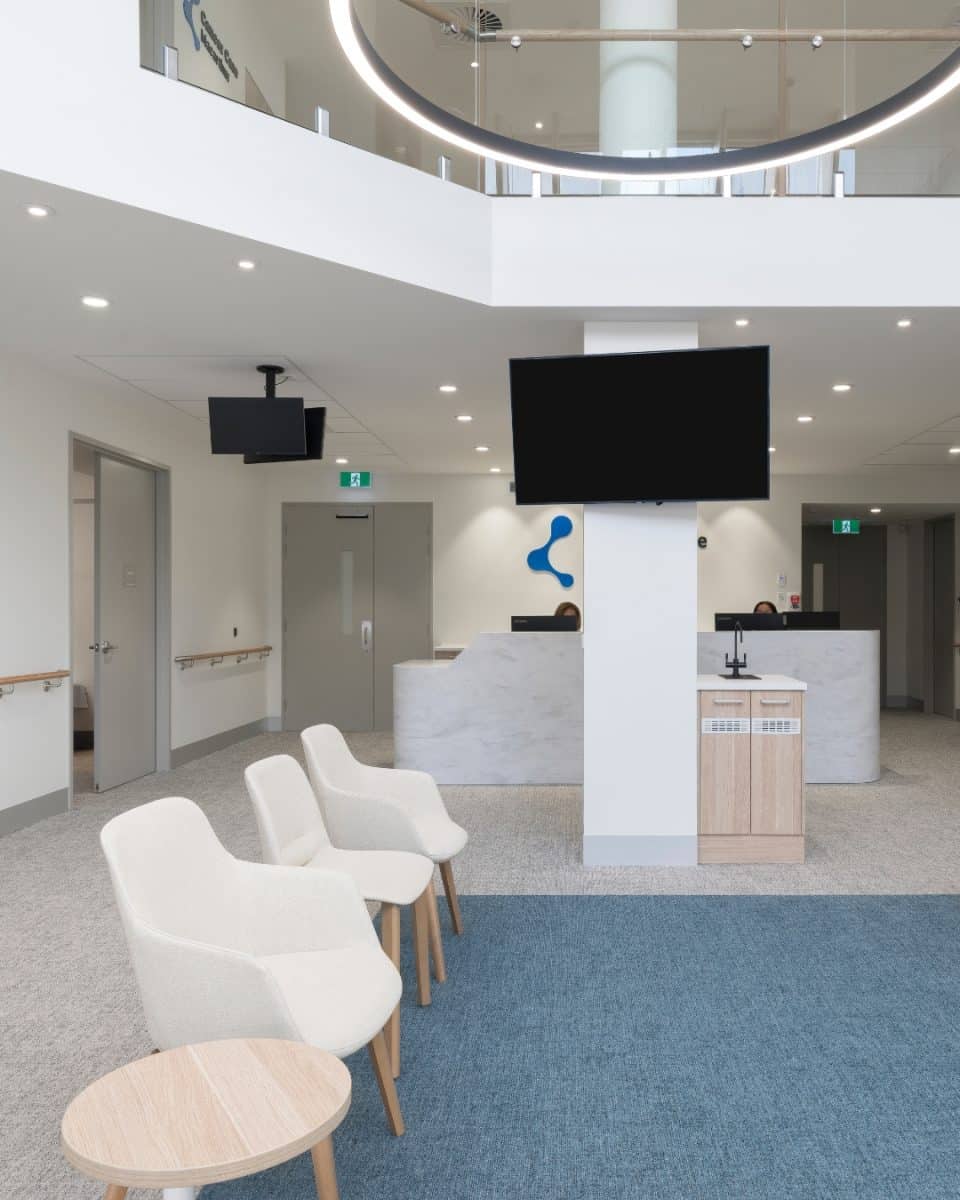
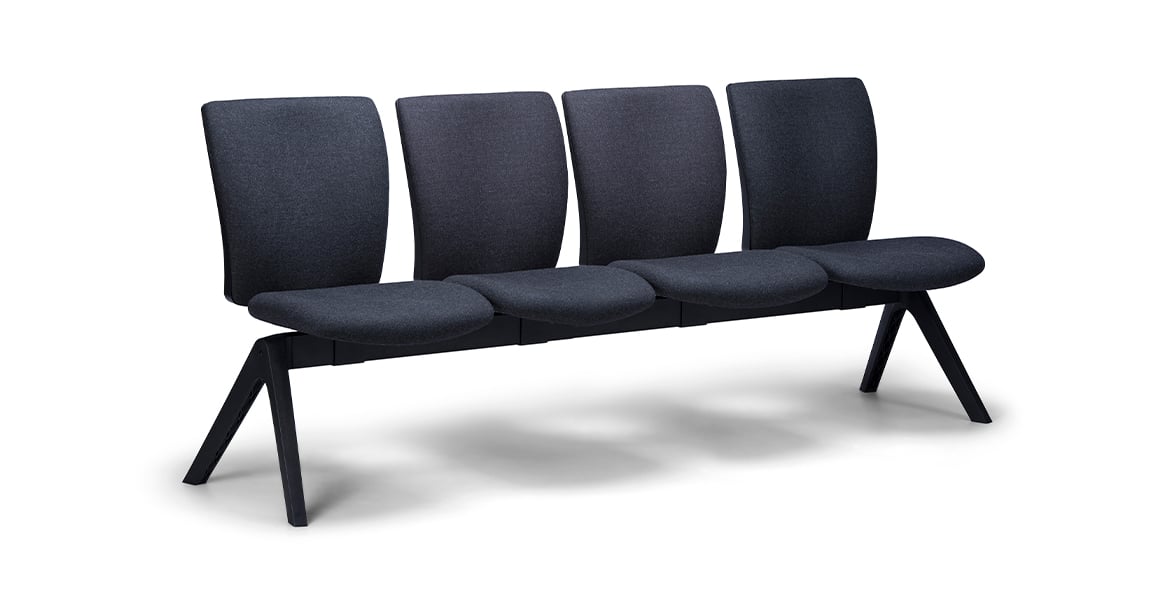
Medical & Allied Health environments benefit from Unica Beam Seating systems. These modular solutions offer easy cleaning, infection control features, and the flexibility to accommodate wheelchairs and mobility aids. The clean lines and neutral aesthetics work well in clinical settings.
Corporate & Government spaces often choose Delphi Armchairs for their professional appearance and individual seating comfort. These upholstered options provide the gravitas expected in executive environments while maintaining the durability needed for public use.
Education & Community facilities typically select Lumia PP chairs for their robust construction and easy maintenance. The polypropylene construction withstands heavy use while offering cost-effective solutions for budget-conscious organisations.

Budget vs Lifetime Value: Calculating Cost-Per-Seat-Year
Smart procurement looks beyond initial purchase price to lifetime value. Here’s a simple formula to guide decisions:
Cost-Per-Seat-Year = (Purchase Price + Maintenance Costs + Replacement Costs) ÷ Expected Lifespan
A quality Australian-made chair costing $400 with a 15-year lifespan costs just $26.67 per seat per year. A cheaper $150 import requiring replacement every 5 years actually costs $30 per seat per year—plus the disruption and labour costs of frequent replacements.
Factor in warranty coverage, local service support, and parts availability. Australian manufacturers typically offer superior after-sales service, reducing long-term operational headaches.
Frequently Asked Questions
What seat height meets accessibility guidelines?
AS 1428.1 specifies 460mm seat height for accessible seating, though standard commercial seating typically ranges from 430-450mm. Higher seats assist users with mobility challenges but should be balanced with general comfort requirements.
How many chairs per square metre should I allow?
Allow approximately 1.2-1.5 square metres per person in waiting areas, including circulation space. This accounts for chair footprint plus movement around seated occupants.
Which fabrics are best for high-use medical clinics?
Look for fabrics with antimicrobial treatments, fluid-resistant properties, and easy cleaning characteristics. Vinyl and treated polyester blends typically offer the best balance of durability, hygiene, and comfort in healthcare settings.
Do I need armrests on every chair?
Not necessarily. Armless chairs increase seating density and accommodate larger users more comfortably. However, armrests assist users with mobility challenges. A mix of both options often provides optimal flexibility.
Are Australian-made chairs more expensive?
While initial costs may be higher, Australian-made chairs typically offer superior lifetime value through longer lifespans, better warranties, and local service support. Factor in the total cost of ownership, not just purchase price.
Ready to Transform Your Waiting Room?
Choosing the right waiting room seating requires balancing multiple factors: comfort, compliance, aesthetics, and cost-effectiveness. With Advanta’s Australian manufacturing capabilities, custom upholstery options, and rapid lead times, you can create waiting environments that truly serve your visitors and your organisation.
From healthcare facilities requiring infection control to corporate environments demanding executive aesthetics, the right seating solution exists. The key is partnering with suppliers who understand both the technical requirements and the human needs that great waiting rooms must serve.
Transform your waiting room from a necessary space into a positive brand touchpoint—because first impressions begin the moment visitors take a seat.